
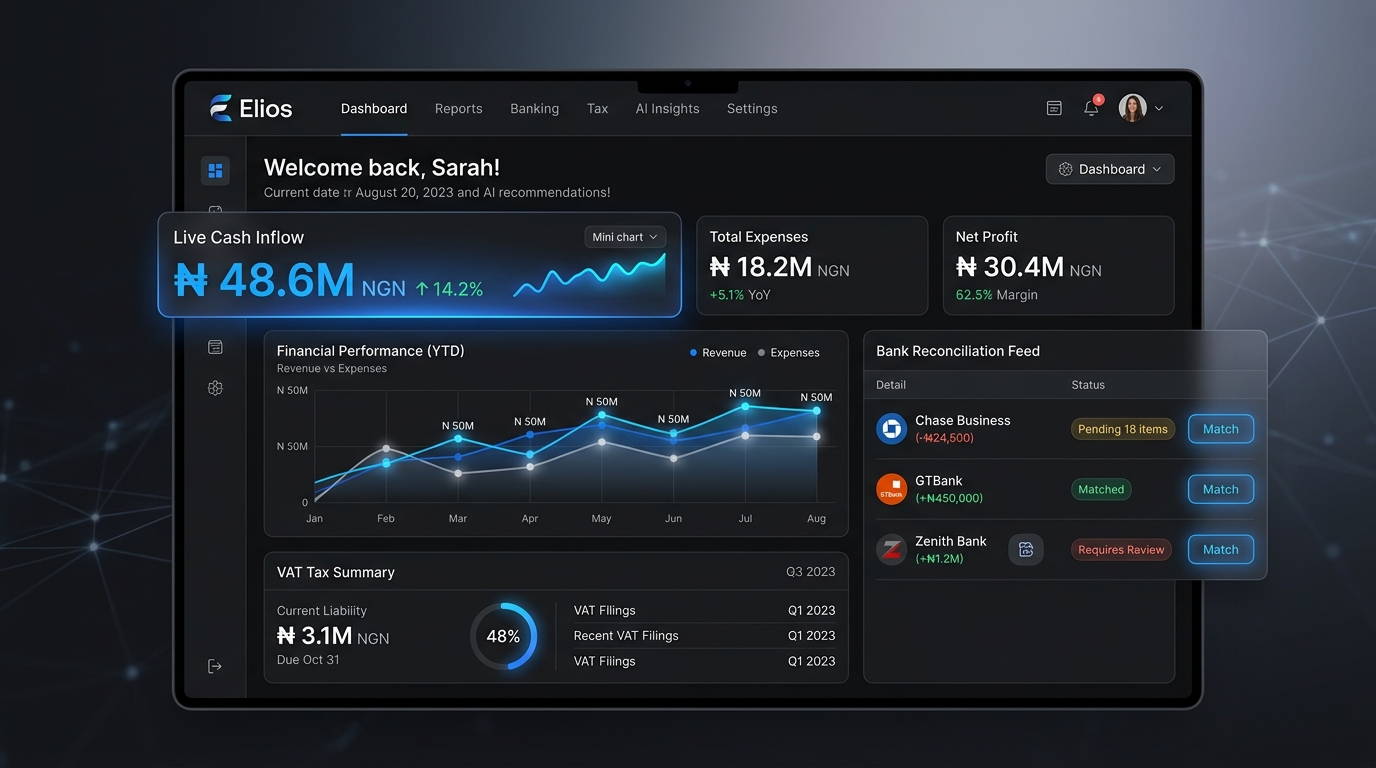
For years, finance teams have accepted the standard month-end routine: spending two to three weeks hunting down paper receipts, manually categorizing bank feeds, and checking spreadsheet formulas. In fast-paced markets, this delay means leadership makes critical hiring, expansion, and purchasing decisions using numbers that are already a month old.
Continuous, AI-driven accounting changes this model entirely.
Instead of batching work until the end of the month, modern accounting engines process and reconcile transactions continuously. When a vendor payment clears, machine learning models analyze the counterparty, match it against purchase orders, calculate appropriate Withholding Tax (WHT) deductions, and log it to the correct ledger account.
When something looks off—like a duplicate subscription charge or an unusual supplier invoice—the system flags it right away. Teams can resolve discrepancies as they happen rather than unravelling a stack of mysteries weeks later.
The result is a continuous close. At month end, instead of scrambling through messy ledgers, finance leaders can simply review verified figures, run automated tax reports, and focus on strategic business growth.